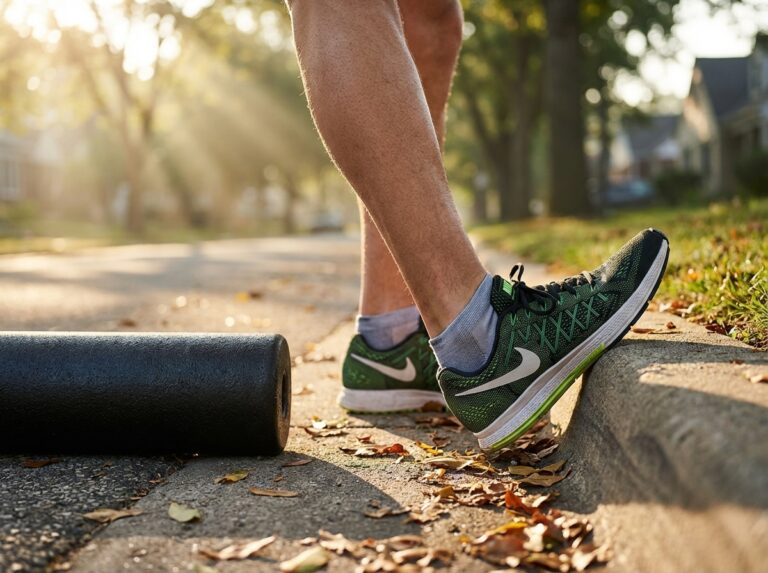
Shin splints are a common overuse injury that sidelines many runners. This article explains what causes shin splints, how to distinguish them from more serious problems, and outlines step-by-step prevention and recovery strategies grounded in mobility, targeted strength, and sensible load management. Read on for practical plans you can use to move better and run pain-free.
Understanding the problem: what shin splints really are
Meta Description: Learn what shin splints really are. We cover MTSS, bone stress, and tibial pain symptoms to help runners identify injuries and know when to seek professional medical help.
Shin splints are a frequent hurdle for many athletes. In the running community, this term often describes a vague ache along the inner part of the lower leg. While the name is widely used, it is not a specific medical diagnosis. Most cases of tibial pain in runners fall under the clinical classification of medial tibial stress syndrome, or MTSS. This condition involves the connective tissues and bone along the medial border of the tibia. Understanding the difference between simple muscle soreness and a more serious running injury is the first step toward a successful recovery.
The Anatomy of Tibial Pain
The lower leg is a complex system of bones, muscles, and fascia. When you run, your tibia—the larger of the two lower leg bones—absorbs significant force. Research confirms that the tibia bends slightly under the weight of each stride. This mechanical stress triggers a process called bone remodeling. In a healthy scenario, the bone breaks down slightly and then builds back stronger. However, if the training load increases too quickly, the repair process cannot keep up. This leads to a bone stress reaction, where the internal structure of the bone becomes weakened and painful.
Periostitis is another term often linked to this issue. It refers to inflammation of the periosteum, the thin layer of vascular connective tissue covering the bone. Muscles like the soleus and the tibialis posterior attach to this area. For a long time, experts believed that these muscles pulling on the bone lining caused the pain. Modern evidence indicates that the problem is primarily about the bone itself failing to handle the repetitive load. This shift in understanding is why many clinicians now prefer the term medial tibial stress syndrome over older labels.
Prevalence and Onset Patterns
If you are struggling with this, you are not alone. Epidemiological data shows that shin splints affect between 13% and 20% of runners. In specific high-load groups, such as military recruits, the prevalence can reach 35%. Recreational marathon runners often face even higher risks, with some scoping reviews reporting lifetime prevalence rates near 69.5% in specific cohorts. Women tend to experience these issues more frequently than men, possibly due to differences in bone density or biomechanics. Shin pain in athletes remains one of the most frequent reasons for a compulsory break from training.
The onset usually follows a predictable pattern. You might notice a dull, aching pain at the start of a run. It often fades as you warm up, only to return with more intensity after you stop moving. If the condition progresses, the pain will stay present throughout the entire run and eventually interfere with daily walking. This progression signals that the bone is moving from a mild irritation toward a more significant stress injury.
Clinical Exam Cues for Runners
You can perform a basic check to see if your pain is likely MTSS. A coach or runner can use these simple clinical cues to map the injury.
Palpation
Press along the inner edge of your shin bone. If the pain is diffuse and spread over a 5-centimeter area or longer, it usually points to medial tibial stress syndrome. If the pain is very sharp and limited to one tiny spot (focal tenderness), it is a major concern for a stress fracture.
Single Leg Hop
Try hopping on the painful leg. If you can hop 10 times without significant pain, the bone might still be relatively stable. If the pain makes hopping impossible, you need to stop running immediately.
Pain Location Mapping
Trace the pain with your finger. MTSS typically sits in the lower third of the tibia. Pain that is higher up or on the outside of the leg might suggest a different issue, such as a tendon injury or nerve entrapment.
Identifying Red Flags
While most shin pain is manageable with rest plus a solid beginner runner training plan, some symptoms require urgent medical attention. You must watch for red flags that suggest a more severe condition.
Stress Fracture
Focal tenderness on the bone (pinpoint pain), night pain that keeps you awake, or pain that does not improve with rest are signs of a fracture. This requires an X-ray or MRI to confirm.
Chronic Exertional Compartment Syndrome
If you experience numbness, tingling, or a feeling of extreme tightness and “fullness” in the muscle that disappears shortly after you stop running, it could be a compartment issue. This involves pressure buildup within the muscle groups.
Tendon Injury
Pain that is localized specifically behind the ankle bone rather than on the shin itself may indicate posterior tibialis tendonitis.
If you notice any of these red flags, or if your pain does not improve after two weeks of rest, seek a specialist for a formal diagnosis. Early intervention with mobility routines and proper load management is the best way to stay on the road. Professional imaging like an MRI or bone scan is often necessary if the pain is focal or persistent despite conservative care.
Why runners get them: risk factors and assessment
Understanding why shin splints happen is the first step toward fixing them for good. Most runners assume the pain is just a result of running too many miles. While volume matters, the cause is usually a combination of how your body is built and how you manage your training. By looking at your own risk factors, you can identify exactly where your mechanics are failing.
Internal factors that increase your risk
Intrinsic risk factors are the attributes of your physical body that make you more likely to develop medial tibial stress syndrome. These are often related to how you absorb force every time your foot hits the pavement.
Foot shape and arch mechanics
The way your foot interacts with the ground is a major predictor of injury. If you have a significant navicular drop—meaning your arch flattens more than 10 millimeters when you stand—your risk for shin splints doubles. This excessive pronation forces the muscles in your lower leg to work much harder to stabilize your foot. Over time, this constant tugging on the bone leads to inflammation.
Limited ankle mobility
If your ankle cannot flex upward easily (dorsiflexion), your body has to find that movement somewhere else. This often results in the foot collapsing inward or the shin bone taking on more rotational stress than it can handle. Tightness in the calf muscles often goes hand in hand with this limited range of motion.
Weakness in the hips and glutes
Your hips act as the steering wheel for your legs. If your hip abductors and external rotators are weak, your knee will likely cave inward while you run. This creates a twisting force on the tibia. When the glutes do not do their job of absorbing impact, the lower leg has to pick up the slack.
Muscle imbalances in the lower leg
A weak tibialis anterior cannot properly control the foot as it lands. If the calf muscles are too tight and the front of the leg is too weak, the tibia lacks the muscular support it needs to stay healthy. This imbalance is a classic contributor to tibial pain.
Bone health and history
Prior injuries are a strong warning sign. If you have had shin splints in the past, your bone tissue might still have areas of weakness. Low bone density or a Vitamin D deficiency can also make your skeleton less resilient to the repetitive pounding of running.
External factors and training errors
Extrinsic factors are the choices you make in your training environment. These are often easier to change than your physical anatomy, but they are responsible for the majority of sudden flare-ups.
Sudden changes in training load
The bone needs time to adapt to stress. If you suddenly increase your weekly mileage or the intensity of your workouts, the bone breaks down faster than it can repair itself. This is why many runners get hurt when they start a new marathon plan or join a fast track club.
Running surfaces and terrain
Hard surfaces like concrete do not absorb impact, forcing your legs to dissipate the force. Downhill running is particularly hard on the shins because it increases the eccentric load on the muscles. Moving from flat trails to steep hills without a transition period is a common mistake.
Footwear and recovery habits
Old shoes that have lost their cushioning cannot protect your legs from the ground. Wearing shoes that do not match your foot type can also make mechanical issues worse. Beyond gear, a lack of sleep and poor nutrition prevent the body from repairing the micro-damage that happens during every run.
How to assess your own movement
You can perform a basic self-assessment to see which of these factors might be causing your pain. These simple screens help you decide where to focus your rehab efforts.
Ankle dorsiflexion lunge test
Stand facing a wall with your toes about four inches away. Keep your heel on the floor and try to touch your knee to the wall. If you cannot reach the wall without your heel lifting, your ankle mobility is restricted. This lack of flexibility is a primary cause of medial tibial stress syndrome.
Single leg squat screen
Stand on one leg in front of a mirror and perform a shallow squat. If your knee moves toward the middle of your body, your hip abductors are likely weak. This movement pattern increases the stress on your inner shin bone.
Calf and foot strength checks
Try to perform 25 single-leg heel raises with perfect form. If your muscles burn or you lose balance before reaching that number, your calves are not strong enough for high mileage. You should also check your foot strength by trying to lift your big toe while keeping the other four toes on the ground. Difficulty with this suggests poor foot intrinsic strength.
The clinical assessment flow
If your pain does not improve with rest, a professional assessment is necessary. A clinician will start by looking at your injury history and your current training volume. They will use movement screens to see how your body handles weight and look for specific areas of tenderness along the bone. Most cases of running injury can be managed without expensive tests.
A conservative trial of 2 to 6 weeks is usually recommended before ordering imaging. During this time, you focus on mobility and strength work while reducing your mileage. If the pain is very sharp or localized to one tiny spot, it might indicate a stress fracture rather than general shin splints.
| Assessment Tool | When it is Used |
|---|---|
| Physical Exam | Initial visit to check for tenderness and range of motion |
| X-ray | To rule out obvious fractures or bone abnormalities |
| MRI | The gold standard for seeing early bone stress and soft tissue swelling |
| Bone Scan | Used when an MRI is not available to find areas of high bone activity |
If you do not see progress after a few weeks of consistent rehab, it is wise to refer to a physical therapist or a podiatry specialist. They can provide gait retraining or suggest specific orthotics to help manage the load on your shins. Identifying these risk factors early prevents a small ache from becoming a season-ending injury.
Step-by-Step Recovery and Prevention Plan
Managing medial tibial stress syndrome requires a shift from pushing through pain to strategic recovery. The first step involves immediate pain management through relative rest. You should stop any activity that provokes sharp or lingering pain along the inner shin. This does not mean total inactivity. You can substitute running with low-impact cross-training such as swimming, cycling, or using an elliptical. These options maintain cardiovascular fitness while reducing the mechanical load on the tibia. Apply ice to the affected area for fifteen minutes several times a day to manage local inflammation. If the discomfort is significant, short-term use of over-the-counter anti-inflammatories may be appropriate under medical guidance. This initial phase continues until you can perform daily activities and walk briskly without any symptoms.
Once you are pain-free during daily life, you can begin a graded return-to-run protocol. This process is symptom-guided rather than strictly calendar-based. If pain exceeds a two out of ten on a personal scale, you must regress to the previous level. A typical progression starts with a run-walk strategy. You might begin with one minute of easy jogging followed by four minutes of walking, repeating this five times. If this is tolerated, you can gradually increase the running intervals while decreasing the walking time. Weekly mileage should not increase by more than ten percent to avoid overloading the bone. Consistency is more important than intensity during these first few weeks. You should adhere to the “24-hour rule”: monitor for any morning stiffness or latent pain the day after a run, as these are signs that the load was too high.
The 6 to 8 Week Strengthening Program
Building tissue resilience is the most effective way to prevent recurrence. This program focuses on the muscles that support the tibia and control foot mechanics. Perform these exercises three times per week, allowing for rest days in between. Progress the difficulty by adding weight or increasing repetitions as your strength improves.
| Exercise | Description | Sets and Reps | Progression |
|---|---|---|---|
| Eccentric Calf Raises | Stand on a step. Rise up on both feet, then lower slowly on the injured leg over three seconds. | 3 sets of 12 reps | Add a weighted vest or hold a dumbbell. |
| Soleus Squat Raises | Lean against a wall in a mini squat. Lift your heels while keeping your knees bent. | 3 sets of 15 reps | Increase the depth of the squat or hold the top position. |
| Tibialis Anterior Pulls | Sit with your legs straight. Use a resistance band around your toes and pull them toward your shin. | 3 sets of 20 reps | Use a thicker band or perform with a single leg. |
| Foot Intrinsic Towel Curls | Sit with your foot flat on a towel. Use your toes to scrunch the towel toward your heel. | 3 sets of 1 minute | Add a small weight to the end of the towel. |
| Hip Abductor Side-Lying | Lie on your side. Lift your top leg toward the ceiling while keeping your hips stacked. | 3 sets of 15 reps | Add an ankle weight or use a resistance loop. |
Building a Resilient Lower Body for Running
Mobility work is just as vital as strength for long-term health. Limited ankle dorsiflexion is a major contributor to tibial stress. You can improve this with daily drills. The wall lunge stretch is effective for this purpose. Stand facing a wall with one foot forward. Keep your heel down and drive your knee toward the wall. Hold for thirty seconds on each side. You should also incorporate dynamic warm-ups before every run. This might include leg swings, ankle circles, and walking on your heels or toes. These movements prepare the nervous system and the muscles for the impact of running. For the plantar fascia, rolling your foot over a firm ball for two minutes can help release tension in the arch. Foam rolling the calves can also provide temporary relief from tightness, but avoid rolling directly over the bone where the pain is located.
Footwear and orthotics play a role in managing load, especially for those with specific foot shapes. If you have a navicular drop greater than ten millimeters, you may benefit from shoes with more structure. Research on scoping review of epidemiology suggests that foot posture is a significant risk factor. You should look for shoes with adequate cushioning to help absorb shock. Some runners find relief by switching to a shoe with a higher heel-to-toe drop to reduce the strain on the lower leg muscles. It is generally recommended to replace running shoes every 300 to 500 miles. If you have excessive pronation that contributes to your pain, trialing over-the-counter orthotics or motion control shoes might be helpful. However, these should be seen as tools to manage symptoms while you work on foot and hip strength rather than a permanent fix.
Physical therapy can provide advanced strategies like gait retraining. A common finding in runners with shin splints is a heavy heel strike or an overextended stride. Shortening your stride length and increasing your cadence by five to ten percent can significantly reduce the impact on the tibia. A therapist can use video analysis to identify these patterns. They may also use manual therapy to address soft tissue restrictions in the deep posterior compartment of the lower leg. If conservative measures do not show progress within four to six weeks, a specialist might recommend imaging to rule out a stress fracture. For more complex cases, some athletes look into advanced options like those discussed in the context of shin splints and PRP, though these are typically reserved for chronic issues.
Recovery timelines vary, but most runners can expect to return to full training within six to eight weeks if they follow a structured plan. You are ready to resume normal volume when you can complete a thirty-minute run at your usual pace without any pain during or after the session. Objective criteria for a full return include equal calf strength on both sides and a negative hop test. The hop test involves jumping on one leg ten times. If you can do this without pain, the bone is likely ready for higher loads. Staying pain-free requires ongoing attention to training volume and recovery. Avoid sudden spikes in mileage and keep your strength sessions as a permanent part of your routine. This proactive approach ensures that shin pain in athletes remains a temporary setback rather than a recurring obstacle.
Final summary takeaways and next steps
Understanding the mechanics of shin splints is the first step toward lasting relief. This condition, often called medial tibial stress syndrome, affects a significant portion of the running community. Recent data suggests that the prevalence can be even higher in specific groups, such as marathon participants or military recruits. The core of the issue usually lies in a mismatch between the load you place on your legs and the ability of your bones and muscles to recover. When you increase your mileage too quickly or ignore the warning signs of persistent aching, the tissue around the tibia becomes inflamed. This is why medial tibial stress syndrome prevention focuses so heavily on gradual progression and structural support.
The most effective strategies for staying pain-free involve a combination of load management, targeted strength work, and mobility. Research has shown that traditional training often leads to an injury rate of nearly six incidents per thousand hours of exposure. However, athletes who incorporate neuromuscular training can reduce that risk to less than one incident per thousand hours. This type of training teaches your body to handle impact more efficiently. It is not just about running more miles; it is about making sure every mile is supported by strong calves, stable hips, and flexible ankles. If your ankles lack the necessary range of motion, your lower legs have to absorb extra force that they were not designed to handle. Similarly, weakness in the hip abductors can lead to poor leg alignment, which puts more stress on the inner side of the shin bone.
Your running injury recovery timeline depends on how quickly you address the symptoms. A typical recovery protocol lasts between six and eight weeks. During this time, the goal is to calm the inflammation and then slowly rebuild the capacity of the bone. You cannot simply rest for two weeks and expect the problem to vanish. Without addressing the underlying cause, the pain will likely return as soon as you resume your previous pace. A graded return to activity is essential. This often starts with a walk-to-run program that gradually increases the time spent on your feet. You should only progress when you can complete a session without any pain during or after the exercise. If you find that the pain persists for more than four weeks despite these efforts, it is wise to consult a professional to rule out more serious issues like stress fractures.
| Risk Factor | Impact on Injury Risk |
|---|---|
| Navicular Drop over 10mm | Doubles the likelihood of shin pain |
| High BMI | Correlates with longer recovery times |
| Heel Strike Pattern | Found in 100% of cases in some clinical studies |
| Female Gender | Statistically significant higher association |
To help you stay on track, here is a practical action plan you can start this week. This checklist is designed to build a foundation of resilience while allowing your shins to heal. Consistency is more important than intensity when you are managing a recovery process.
Weekly Action Checklist
1. Perform daily mobility work focusing on ankle dorsiflexion and plantar fascia release. Use a lacrosse ball or foam roller to address tightness in the calves and the arches of your feet.
2. Complete three targeted strength sessions. Focus on eccentric calf raises, tibialis anterior pulses, and glute medius exercises like side-lying leg raises to stabilize your gait.
3. Follow a graded run plan that incorporates walking intervals. Do not increase your total weekly volume by more than ten percent to ensure your bones have time to adapt to the stress.
4. Conduct a footwear check. Replace shoes that have lost their cushioning or support. If you have excessive pronation, consider whether a motion control shoe or a supportive insole might help reduce the strain on your tibia.
5. Monitor your progress and seek a physical therapist if you see no improvement within two to four weeks. Professional guidance can help identify specific biomechanical flaws that might be stalling your recovery.
Incorporating specific shin splint exercises for runners into your routine will make a significant difference in your long-term health. Strengthening the muscles that support the tibia allows the bone to handle the repetitive impact of running without becoming overloaded. You should also pay attention to your running technique. Some studies suggest that shortening your stride length can reduce the shock sent through your legs. This small adjustment can lower the peak force on your shins and help you stay active without recurring pain. For more detailed information on advanced treatments, you might find it helpful to read about Shin Splints and PRP as a regenerative option for stubborn cases.
Sustainable training is about listening to your body and prioritizing the work that happens off the pavement. Mobility and strength are not optional extras for a runner. They are the requirements for a long and healthy career in the sport. By managing your load and staying committed to your rehab exercises, you can move past the frustration of shin pain and focus on your next goal. Take the time now to build a body that can handle the miles ahead.
Download or subscribe for structured programs designed for runners and everyday athletes to stay pain-free.
References
- Shin Splints and PRP – Juventix Regenerative Medical — Shin splints are commonly seen in runners, jumping sports and military personnel. The incidence ranges between 13 to 20% in runners to 35 …
- [PDF] Shin Splints – a hidden epidemic among runners and athletes — Medial tibial stress syndrome (MTSS) has been reported to affect between 13.6% and 20% of runners, and its prevalence can reach as high as 35% …
- Shin pain in athletes – RACGP — The incidence is 4–17% across athletic populations.2. Athletes involved in activities that involve running are most frequently affected. A meta-analysis …
- 5 Exercises for Stubborn Shin Splints – BSR Physical Therapy — The shin splint incidence rate was 5.96 injuries per 1000 hours of athlete exposure in traditional training and 0.82 in the neuromuscular …
- Shin splints – shock absorption, stride length – Damien Howell PT — Reports document the incidence of shin splints varies from 12% to 18% of running injuries. … November 2025 · October 2025 · September 2025 · August 2025 · July …
- Medial Tibial Stress Syndrome: A Scoping Review of Epidemiology … — The prevalence of MTSS in the marathon runners = 69.5%. There was a statistically significant association between the MTSS and female sex. In …
- Medial Tibial Stress Syndrome Needs a New Name—Make … – jospt — SYNOPSIS: Pain near the posteromedial tibia is common in running and jumping athletes. This problem has had many names, with “shin splints” …
- Do women get more shin splints than men? New data — Do women get more shin splints than men? New data · 1.6% of all personnel · 4.3% of recruits · 7.0% of female recruits! ouch!
Legal Disclaimers & Brand Notices
The information provided in this article is for informational and educational purposes only and does not constitute professional medical advice, diagnosis, or treatment. Always seek the advice of a physician or other qualified health provider with any questions you may have regarding a medical condition, injury, or treatment protocol. Never disregard professional medical advice or delay in seeking it because of something you have read in this content.
All product names, logos, and brands are the property of their respective owners. All company, product, and service names used in this article are for identification purposes only. Use of these names, logos, and brands does not imply endorsement.